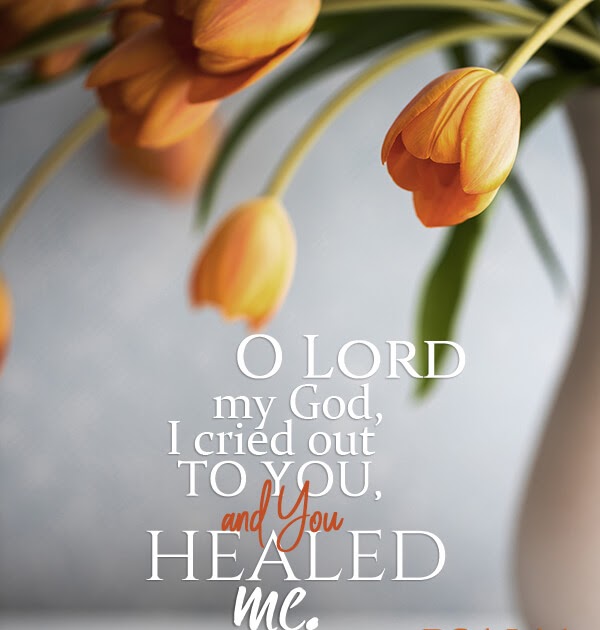
The ache for restoration runs deep, and it is not wrong to bring it before God with all the urgency of your heart. He does not despise our desperation. The woman who grabbed the hem of His garment did so in a crowd, hoping for a touch, and healing virtue went forth. That moment was born of need, not spectacle. You can tell Him every detail of what you long to see changed, and He listens with a compassion that does not dismiss the weight of scars and marks and imperfections. Some healings recorded in Scripture came with a word, some with a touch, and at least one came in stages. When the blind man first felt the Lord’s hands, his sight was only partial, and then it was made whole. That gradual work is no less divine. Any restoration, whether it arrives in a moment or unfolds across weeks and months, comes from the same hand.
The deepest need of a human soul is to be right with God, and you have asked for forgiveness. Lay hold of this: the blood of Jesus Christ cleanses from all sin. That cleansing is immediate, total, and not dependent on physical change. You are pardoned fully, and no scars define your standing before Him. Sometimes the healing God does first is in the mind and the emotions, lifting the invisible wounds that mark us more profoundly than anything on the skin. He can minister peace where shame once festered, and that kind of restoration is a precious gift.
Scripture is clear that not everyone is given the gift of working miracles, but every healing is a gift from God. We marvel at the special miracles recorded in Acts, yet Paul himself learned to boast in his weaknesses because the power of Christ would rest on him. God does not always answer the cry for physical completeness with the dramatic sign we envision. He often leads His people into something more excellent, a fellowship of love, a deepening trust in His word, a grace that sustains while the outward frame wastes away. This does not mean He is unwilling or powerless; it means His wisdom surpasses our wish for a timeline.
Faith that stands only when it sees a miracle is a fragile foundation. Jesus performed many signs, and people believed in His name when they saw them, yet He did not entrust Himself to that crowd. A faith built on the spectacular will crack under pressure. A faith built on the character of God, the promises of His word, and the sufficient sacrifice of Christ endures whether the skin is smooth or scarred. That does not diminish your longing, it simply anchors it in something unshakable.
Where is the God of Elijah? He is still the God who parts waters and raises the dead, and He is also the God who walks with His children through the valley of unhealed sickness, giving them songs in the night. I have seen marvelous healings, and I have also watched faithful saints suffer unto death without visible relief. The lack of a dramatic intervention is not a lack of His presence or love. He may choose to restore every blemish beyond your expectations, and I pray with you that He does. Or He may choose to perfect His strength in your ongoing weakness, giving you a story of grace that outlasts the fading body.
Be honest before Him. Tell Him your hurt. Ask for a complete work, as the father of a sick child once cried out, “If you can do anything…” There is no faithlessness in that plea, because it leans wholly on His ability. Then rest in the forgiveness already poured out, and trust that whether the visible transformation comes now or later, when that which is perfect shall come, every partial thing, every scar, every mark, every tear, will be swallowed up in wholeness. Until that day, your hope does not hang on a healing meeting or a sign; it hangs on the risen King who carries you through.




 Prayer Focus: God, Thank You for loving me. Thank You for loving me, Jesus. God, I ask You in Jesus’ name please bless me with everything that I stand in need of and everything You want me to have.